Anti-Scale Filters: How to Remove Calcium Salts and Water Hardness at Home
AQUAPHOR
technology,home,aquaphor science

Trying to fight scale with folk cleaning methods may seem like a simple technique, but it is rarely effective. People dissolve kettle scale with vinegar, add egg white to shampoo to improve lather, or even freeze water before brewing tea. These household “hacks” take time, complicate routine cleaning around the house, and only mask the actual problem — high calcium and magnesium content in tap water. Instead of eliminating hardness, they simply temporarily reduce its symptoms.

Hard water does more than ruin your kettle or coffee machine — it also affects the taste, aroma, and appearance of food and drinks. Because of calcium salts in water and magnesium salts, tea infuses poorly and forms an unpleasant film. Meat broth becomes cloudy due to the formation of insoluble calcareous compounds, and cooking time increases because proteins react with hardness ions.

Kitchen Signs of Hard Water

  • Persistent white scale inside the kettle.
  • Chalky stains and sediment on dishes and sanitary surfaces.
  • A cloudy layer on cooled tea; dark deposits sticking to the cup that require aggressive cleaning products to remove.
  • Vegetables and meat take longer to cook because dissolved minerals and hard ions affect boiling properties.
Bottled water

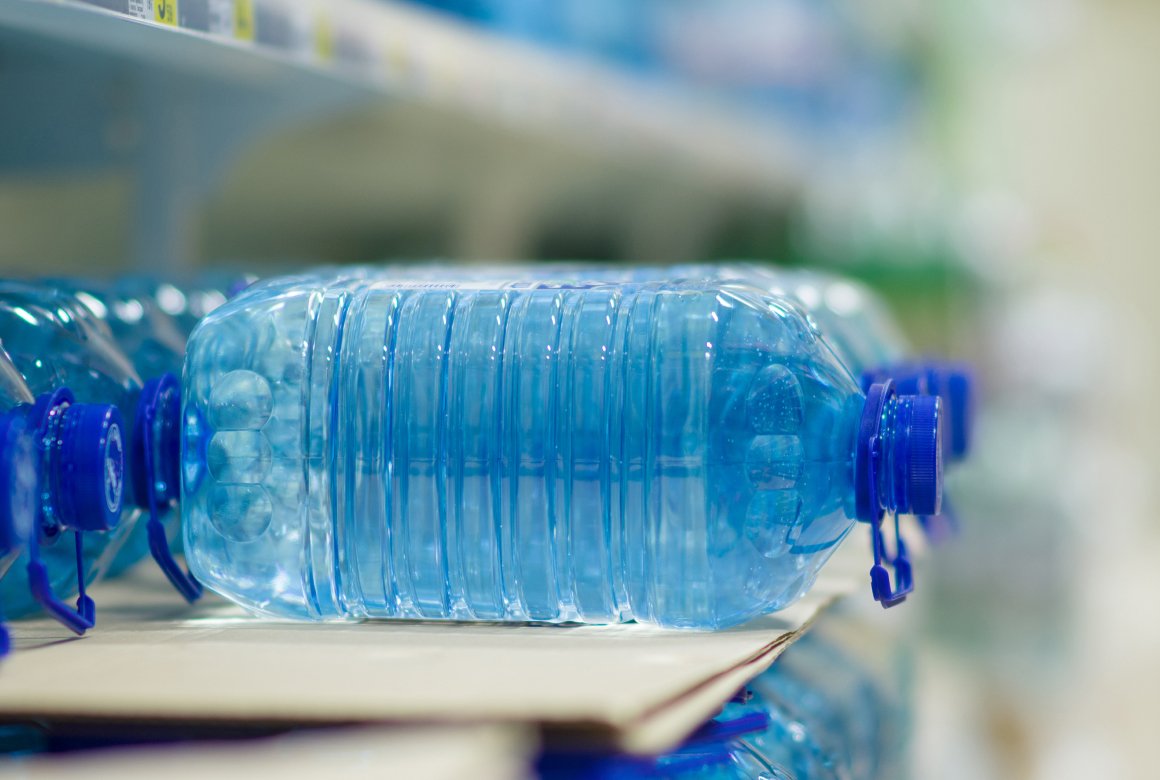
Using bottled water may help, but only if its mineral content is low enough. Many bottled products contain high concentrations of calcium in drinking water, which can increase hardness instead of reducing it.

Moreover:

  • If bottled water is stored improperly, PET bottles release unwanted impurities.
  • Most bottled water is essentially reverse-osmosis water with added minerals, preservatives, and marketing markup.

What Kind of Water Does a Coffee Machine Need?

Even if your coffee machine has a built-in filter, the water often requires additional softening. Carbon filters remove chlorine and odor but do not effectively reduce calcium hardness. Some devices contain small softening cartridges, but their lifetime in hard water is extremely short. Experts note that even when a machine does not request descaling, calcium and magnesium sediment may still accumulate inside because the device counts cups brewed, not actual scale concentration.

Boiling water removes temporary hardness but does not eliminate permanent calcium salts. The only reliable way to get rid of scale is through ion-exchange softeners or reverse osmosis systems. Reverse osmosis is considered the most effective purification method for high hardness: it removes excess dissolved minerals, lowers total mineral content, and significantly improves water quality for coffee and cooking.

A reverse-osmosis filter can be connected directly to a coffee machine, reducing the need for decalcification to once every 12–18 months.

Hardness and Minerals in Water: Myths and Reality

Where Calcium and Magnesium Salts Come From

Natural water dissolves fragments of geological formations such as calcite and dolomite, increasing calcium and magnesium concentration. Softening water at municipal stations is extremely expensive, so the consumer must remove hardness independently at home.

Hardness depends on the geological source and can vary significantly from region to region.

How to Measure Water Hardness

You can determine how hard your water is in several ways:

  • Submit a sample to a laboratory to measure the exact calcium and magnesium content.
  • Use test strips from aquarium stores or from the kit included with some coffee machines.

Hardness is measured in German degrees (°dH) or milligram-equivalents per litre (mg-eq/L)

Up to 1,5 mg-ekv/l  – soft water, almost no scale.

1,5–4 mg-ekv/l – medium hardness; scale forms in 2–3 weeks.

5–7 mg-ekv/l – high hardness (maximum allowable for drinking water is 7).

Above 7 mg-ekv/l – very hard water, producing rapid scaling and damaging household appliances.

Is Calcium in Drinking Water Healthy?

Calcium in water exists as inorganic salts, which the human body absorbs poorly. Even if absorption were high, you would need to drink over 17 litres of moderately hard water per day to meet the recommended 1000 mg calcium intake. Food sources like cheese or cottage cheese remain much more efficient.

Can Hard Water Be Harmful?

Hard drinking water is generally safe, but individuals prone to salt accumulation — including older adults and people with kidney conditions — should avoid water with high calcium content for constant consumption.

Demineralized water may taste unusual, so a slight mineralization of 0.3–0.5 mg-eq/L is considered ideal. Modern reverse-osmosis systems add small amounts of healthy minerals such as magnesium for taste and balance.

Which Filter Removes Scale Most Effectively?

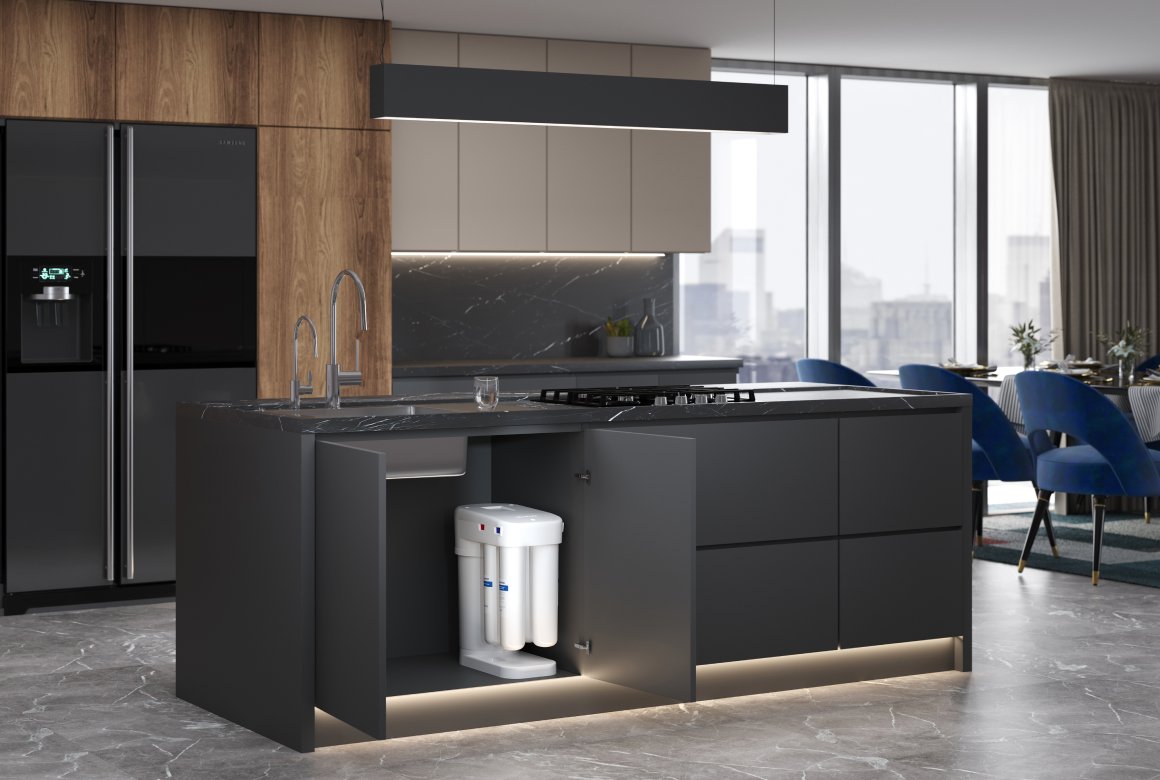
Professional coffee shops and restaurants rely on reverse osmosis systems for consistently high-quality water. This technology removes all hardness ions, rust particles, sediment, sand, and chemical contaminants.
Reverse osmosis:

  • eliminates calcium and magnesium salts completely;
  • prevents scale buildup in appliances;
  • provides clean water for drinking and cooking;
  • works for any source, even with extremely high hardness;
  • cartridges require replacement every 6–12 months depending on the model.

Softening models of inline filters are designed for low to moderately hard water (up to 4 mmol/L). In very hard water, softening cartridges deplete within 2–4 weeks and may leave a bitter taste.

Important Notes About Softening Cartridges

Models like Crystal H contain ion-exchange resin and last about 3 months in moderately hard water. In high hardness, cartridges need frequent regeneration with salt solution and must be replaced regularly.

For most households with very hard water, reverse osmosis is economically more efficient.

Sources

  1. https://www.cdc.gov/drinking-water/prevention/about-choosing-home-water-filters.html

Anti-Scale Filters: How to Remove Calcium Salts and Water Hardness at Home

Dec 25, 2025
10 min

Trying to fight scale with folk cleaning methods may seem like a simple technique, but it is rarely effective. People dissolve kettle scale with vinegar, add egg white to shampoo to improve lather, or even freeze water before brewing tea. These household “hacks” take time, complicate routine cleaning around the house, and only mask the actual problem — high calcium and magnesium content in tap water. Instead of eliminating hardness, they simply temporarily reduce its symptoms.

Hard water does more than ruin your kettle or coffee machine — it also affects the taste, aroma, and appearance of food and drinks. Because of calcium salts in water and magnesium salts, tea infuses poorly and forms an unpleasant film. Meat broth becomes cloudy due to the formation of insoluble calcareous compounds, and cooking time increases because proteins react with hardness ions.

Kitchen Signs of Hard Water

  • Persistent white scale inside the kettle.
  • Chalky stains and sediment on dishes and sanitary surfaces.
  • A cloudy layer on cooled tea; dark deposits sticking to the cup that require aggressive cleaning products to remove.
  • Vegetables and meat take longer to cook because dissolved minerals and hard ions affect boiling properties.

Bottled water

Using bottled water may help, but only if its mineral content is low enough. Many bottled products contain high concentrations of calcium in drinking water, which can increase hardness instead of reducing it.

Moreover:

  • If bottled water is stored improperly, PET bottles release unwanted impurities.
  • Most bottled water is essentially reverse-osmosis water with added minerals, preservatives, and marketing markup.

What Kind of Water Does a Coffee Machine Need?

Even if your coffee machine has a built-in filter, the water often requires additional softening. Carbon filters remove chlorine and odor but do not effectively reduce calcium hardness. Some devices contain small softening cartridges, but their lifetime in hard water is extremely short. Experts note that even when a machine does not request descaling, calcium and magnesium sediment may still accumulate inside because the device counts cups brewed, not actual scale concentration.

Boiling water removes temporary hardness but does not eliminate permanent calcium salts. The only reliable way to get rid of scale is through ion-exchange softeners or reverse osmosis systems. Reverse osmosis is considered the most effective purification method for high hardness: it removes excess dissolved minerals, lowers total mineral content, and significantly improves water quality for coffee and cooking.

A reverse-osmosis filter can be connected directly to a coffee machine, reducing the need for decalcification to once every 12–18 months.

Hardness and Minerals in Water: Myths and Reality

Where Calcium and Magnesium Salts Come From

Natural water dissolves fragments of geological formations such as calcite and dolomite, increasing calcium and magnesium concentration. Softening water at municipal stations is extremely expensive, so the consumer must remove hardness independently at home.

Hardness depends on the geological source and can vary significantly from region to region.

How to Measure Water Hardness

You can determine how hard your water is in several ways:

  • Submit a sample to a laboratory to measure the exact calcium and magnesium content.
  • Use test strips from aquarium stores or from the kit included with some coffee machines.

Hardness is measured in German degrees (°dH) or milligram-equivalents per litre (mg-eq/L)

Up to 1,5 mg-ekv/l  – soft water, almost no scale.

1,5–4 mg-ekv/l – medium hardness; scale forms in 2–3 weeks.

5–7 mg-ekv/l – high hardness (maximum allowable for drinking water is 7).

Above 7 mg-ekv/l – very hard water, producing rapid scaling and damaging household appliances.

Is Calcium in Drinking Water Healthy?

Calcium in water exists as inorganic salts, which the human body absorbs poorly. Even if absorption were high, you would need to drink over 17 litres of moderately hard water per day to meet the recommended 1000 mg calcium intake. Food sources like cheese or cottage cheese remain much more efficient.

Can Hard Water Be Harmful?

Hard drinking water is generally safe, but individuals prone to salt accumulation — including older adults and people with kidney conditions — should avoid water with high calcium content for constant consumption.

Demineralized water may taste unusual, so a slight mineralization of 0.3–0.5 mg-eq/L is considered ideal. Modern reverse-osmosis systems add small amounts of healthy minerals such as magnesium for taste and balance.

Which Filter Removes Scale Most Effectively?

Professional coffee shops and restaurants rely on reverse osmosis systems for consistently high-quality water. This technology removes all hardness ions, rust particles, sediment, sand, and chemical contaminants.

Reverse osmosis:

  • eliminates calcium and magnesium salts completely;
  • prevents scale buildup in appliances;
  • provides clean water for drinking and cooking;
  • works for any source, even with extremely high hardness;
  • cartridges require replacement every 6–12 months depending on the model.

Softening models of inline filters are designed for low to moderately hard water (up to 4 mmol/L). In very hard water, softening cartridges deplete within 2–4 weeks and may leave a bitter taste.

Important Notes About Softening Cartridges

Models like Crystal H contain ion-exchange resin and last about 3 months in moderately hard water. In high hardness, cartridges need frequent regeneration with salt solution and must be replaced regularly.

For most households with very hard water, reverse osmosis is economically more efficient.

Sources

  1. https://www.cdc.gov/drinking-water/prevention/about-choosing-home-water-filters.html

Tell about it your friends

Read Also

30th Dec 2025
5 min

AQUAPHOR innovative technologies

technology
aquaphor science
home
24th Dec 2025
11 min

How to soften water at home?

technology
technology
AQUAPHOR uses cookies

Our websites require some cookies to function properly ("Strictly Necessary"). In addition, we use our own and third-party cookies and similar technologies to analyze site usage, improve and personalize the user experience, and for advertising. For more information, please review the "Customize cookies" link. By continuing you to receive all cookies on all AQUAPHOR websites.

Customize cookies

Reject optional cookies
Accept all cookies