Hard water is water with an excess of hardness salts, primarily calcium and magnesium compounds. While these minerals are not inherently "bad," they offer no benefits when dissolved in water and often cause problems. Hard water is unpleasant to drink and can damage appliances, skin, and hair. In this article, we will explain how to soften water and restore order to your household.
Why Soften Water?
Some cities and regions are fortunate to have naturally soft water sources, while others are not. For urban apartments, it is important to note that municipal water treatment plants do not typically soften water. Comfort is entirely in your hands.
For Drinking and Cooking
Scale buildup ruins kettles and affects the taste of beverages. Broths made with hard water often turn cloudy.
For Hair Washing, Face Washing, and Bathing
Soft water helps prevent dryness and irritation in sensitive skin and adds shine to hair. Shampoos and other detergents lather better with soft water, reducing the amount needed and saving money.
For Household Appliances
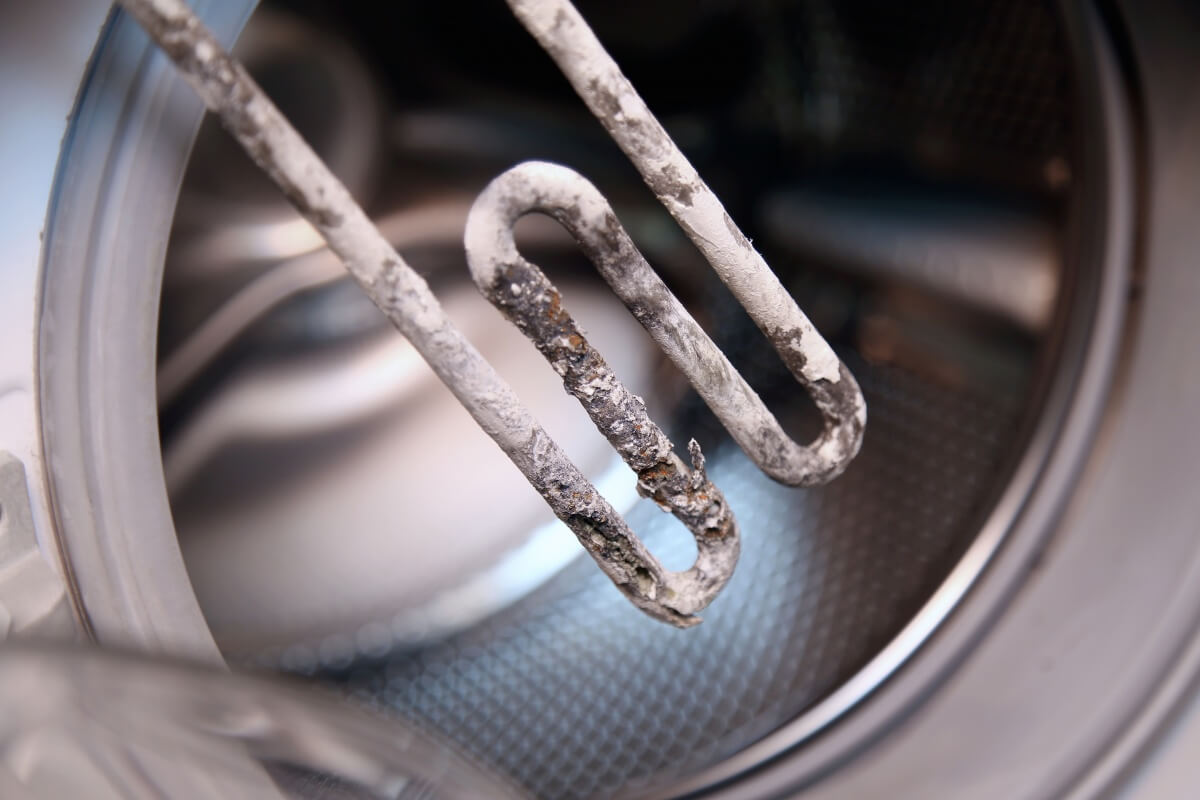
Removing hardness salts protects washing machines, dishwashers, and smaller appliances like multicookers and coffee makers from premature repairs. Humidifiers won’t spray white dust on furniture, and steamers and irons won’t leave stains on clothes.
For Aquariums
Fish also need clean water! Just as it is harmful for us to breathe in smog and dust, fish struggle to live in murky water with excess impurities. Different species require different salt concentrations, and many cannot tolerate hard water. Tailor water conditions to your aquarium inhabitants.
For Watering Plants
Houseplants are delicate "residents." Water for them should be settled, at moderate temperature, and with a balanced mineral composition. Excess hardness salts can disrupt nutrient absorption from the soil, causing plants to become sick.
Methods to Soften Water at Home
Different goals require different solutions. For example, polyphosphate filters or chemical additives are suitable for protecting washing machines but are not safe for drinking water. Small reverse osmosis systems under the sink are highly effective for drinking water but lack the capacity for whole-house use. Clearly define your priorities.
DIY Methods
Traditional methods do not remove hardness salts but only slightly reduce their concentration. These methods are often time-consuming or cause side effects. For instance, infusing water with shungite or silver spoons, freezing, or adding vinegar are more like interesting experiments than practical techniques.
Affordable DIY water softening methods that are worth trying.
Boiling
Heating water causes some hardness salts to precipitate as scale, which damages kettles and affects the taste of tea. Boiling is not suitable for aquariums, as it removes dissolved oxygen.
Chemical Additives
Using household acids-based chemicals can help soften water—but not for drinking, only for technical needs. Such additives do not remove salts from water; they only prevent them from precipitating and damaging heating elements.
This method is suitable for dishwashers and washing machines, but not for coffee machines—these substances don’t belong in a cup. To avoid constantly repairing and cleaning the coffee maker, special drinking water filters are needed, which we will discuss below.
There are no affordable folk methods for softening water for washing and showering. Since the volumes are large, special equipment is necessary.
Softening Water with AQUAPHOR Filters
Different filters work on different principles and produce different results. Filters that do not soften water are not necessarily bad, as not all tasks require soft water. Some regions are lucky and simply do not need water softening.
Pitcher Filters
They practically do not soften water due to the extremely small amount of ion-exchange resin — the main "fighter" against hardness. And special softening modules are suitable only for water with relatively low hardness.
In the AQUAPHOR line, the electronic pitcher J.Shmidt 500 handles softening best, which even earned recognition at the Amsterdam Coffee Festival. This is because it contains more resin, as well as other "magical" filtering ingredients, than any other pitcher filter.
Pre-filtration
Pre-filters do not soften water but protect specialized softening systems and drinking water filters from clogging by large particles. They also benefit plumbing and appliances by preventing rust stains and extending their lifespan.
For example, the AQUAPHOR Viking can be equipped with a dual-layer B520 PRO module, AQUAPHOR’s most technologically advanced inline cartridge.
Reverse Osmosis Filters
These completely remove hardness salts and all harmful impurities, eliminating scale problems. A proper reverse osmosis filter adds health-beneficial magnesium and normalizes water pH.
The RO series represents a new generation of compact, economical reverse osmosis filters that work even under low pressure.
Reverse osmosis is the best existing filtration technology but requires pre-filters to protect the membrane. If your home’s water quality is questionable, install inline filters to reduce coarse impurities and extend the membrane’s life.
Reverse osmosis is beneficial not only for humans but also for aquatic life—aquariums widely use this technology. Pets, such as dogs, cats, and mice, are sensitive to water quality and mineral composition, needing clean water just as much as their owners.
Adsorption Filters
Regular carbon filters are not suitable for combating hardness, as carbon does not soften water. Its main task is to remove dangerous dissolved impurities like chlorine and its derivatives.
Models marked "softening" or "H" can only handle moderately hard water (up to 4 meq/L). Softening cartridges with ion-exchange resin require regular regeneration with table salt and periodic replacement. For very hard water, regeneration may be needed weekly.
Softeners and Iron Removal Systems
These systems are designed for whole-house water treatment. They are highly efficient and handle large volumes of water. Such setups are tailored individually based on the water source and address not only hardness but also manganese, iron, and other contaminants.
For urban apartments, options like the compact AQUAPHOR S550 are ideal for showers, baths, and even cleaning.
How to Soften Well or Borehole Water?
For softening water in a cottage, choose a system based on a laboratory analysis of the water source. Unlike tap water, the composition of well or borehole water cannot be predicted without tests and may change over time. These changes are considered when designing AQUAPHOR systems.
The right system reduces water consumption and improves the quality of life for all household members. With soft water:
- Detergent use is reduced by 3–4 times;
- Stains are removed more effectively from textiles and dishes;
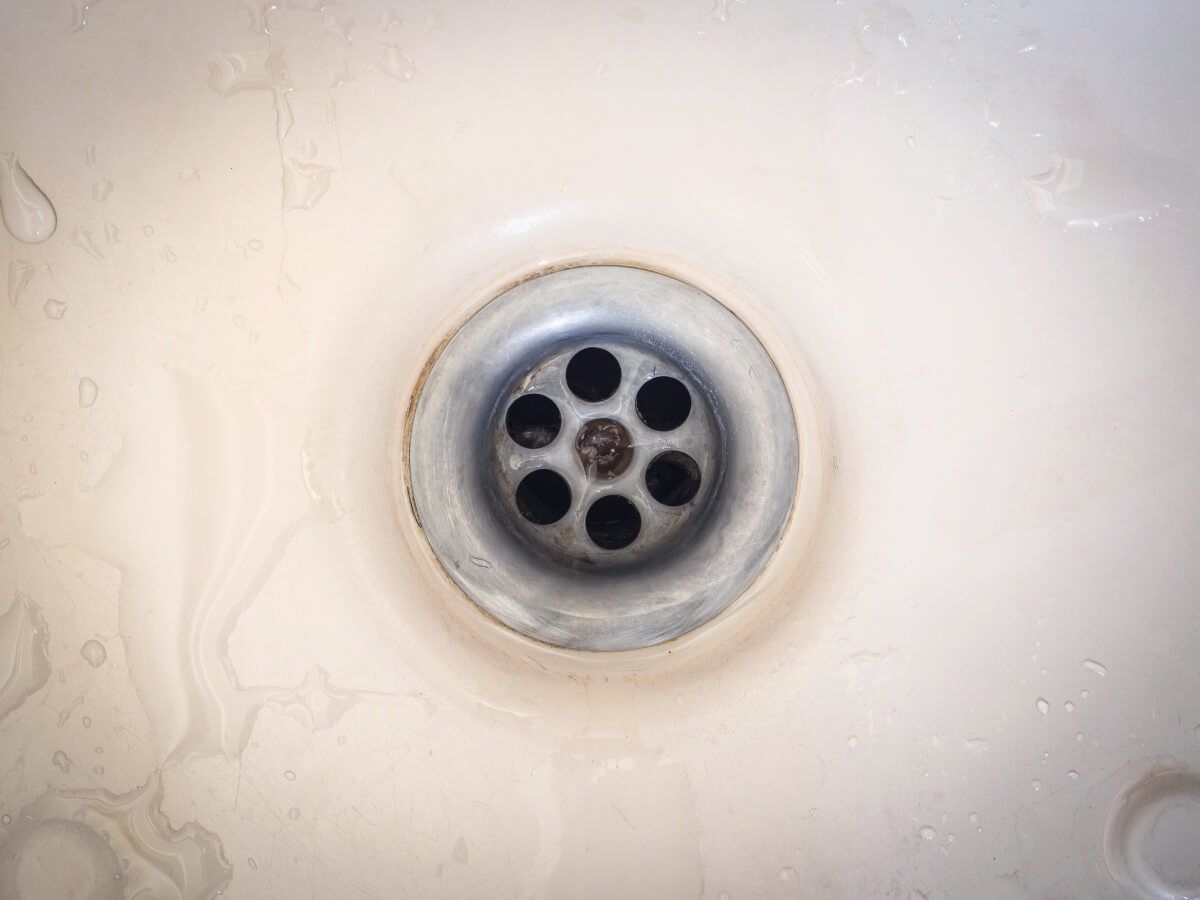
- Pipes remain clean internally;
- Water heating elements remain scale-free and last 3–5 times longer.
What Is the Best Method to Soften Water?
The choice depends on your goal:
- For drinking water, a reverse osmosis filter is the best solution.
- For softening water in bathrooms or treating water in private homes, specialized equipment—possibly a multi-system setup—is required.
Consult experts for guidance
Soft water is an investment in your comfort: it simplifies life and saves money by protecting appliances. With AQUAPHOR filters, you get clean water, advanced technology, and care for the health of you and your loved ones.
Sources
- https://www.cdc.gov/drinking-water/about/about-home-water-treatment-systems.html
- https://www.epa.gov/ground-water-and-drinking-water/emergency-disinfection-drinking-water
- https://nepis.epa.gov/Exe/ZyPURL.cgi?Dockey=P100ZCZ1.txt

 EN
EN
 RU
RU
 LV
LV